
snuseoulglobal.com/ru Face-Off: Which Eye Treatment Delivers More Value in 2026?
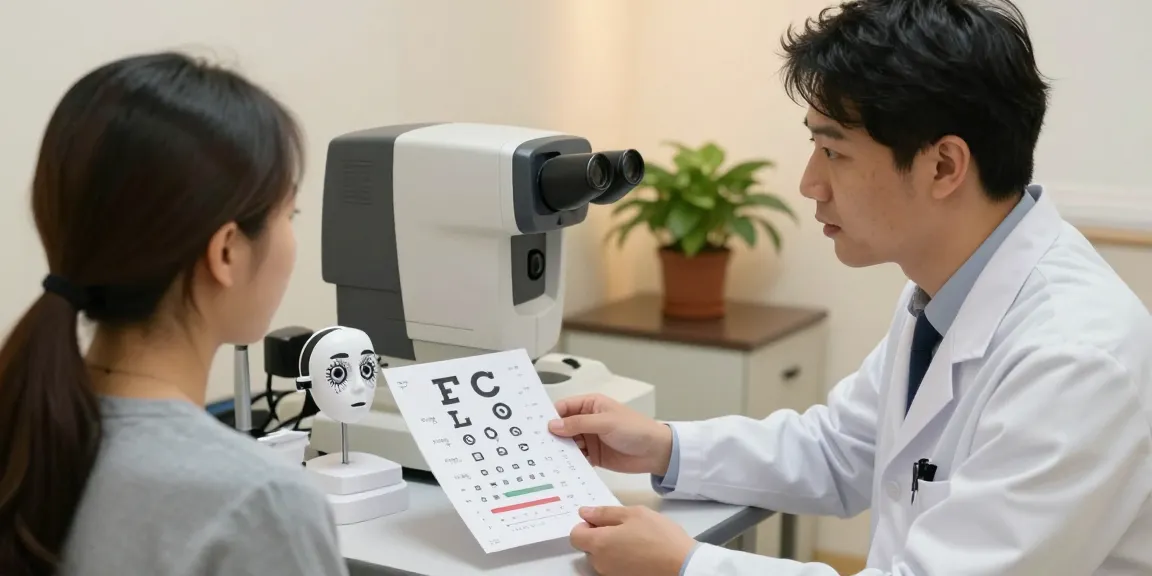
Understanding Eye Care: Foundation of Vision Health
In today’s fast-paced world, eye health often takes a backseat as people juggle their daily routines. However, proper eye care is essential for maintaining good vision and overall quality of life. Eye conditions can develop silently, so understanding eye care and the importance of regular examinations is crucial for everyone, regardless of age. At SNU Eye Clinic, we emphasize a comprehensive approach to eye health that not only identifies potential issues but also provides tailored treatment solutions. When exploring options, snuseoulglobal.com/ru provides comprehensive insights into our extensive services.
What is Comprehensive Eye Care?
Comprehensive eye care encompasses a wide range of services designed to maintain and improve vision health. This approach includes preventive measures, diagnostic assessments, and various treatment options, ensuring that all aspects of a patient’s eye health are addressed. Key components of comprehensive eye care include:
- Routine eye exams to detect vision problems early
- Customized vision correction plans
- Management of chronic conditions such as diabetes and hypertension, which can affect vision
- Specialized care for children and elderly patients
The Importance of Regular Eye Exams
Regular eye exams are vital for everyone, not just those with obvious vision issues. They can help identify problems before they become severe, often preventing irreversible damage. During an eye exam, an optometrist will assess visual acuity, check for signs of eye disease, and evaluate overall eye health. It’s recommended that adults have an eye exam every two years, and annually for those over 60.
Common Eye Conditions Addressed by Specialists
Several common eye conditions can significantly impact a person’s quality of life, including:
- Myopia (Nearsightedness): Difficulty seeing distant objects clearly.
- Hyperopia (Farsightedness): Difficulty focusing on nearby objects.
- Astigmatism: Blurred vision due to an irregularly shaped cornea.
- Cataracts: Clouding of the lens, often related to aging.
- Glaucoma: Increased pressure in the eye that can lead to vision loss.
Innovative Treatments at SNU Eye Clinic
At SNU Eye Clinic, we are committed to using the latest techniques and technologies to provide effective treatments tailored to our patients’ needs. With over 50,000 successful surgeries performed, we have cemented our reputation as a leader in eye care. Our innovative treatments include:
Exploring ICL and Toric ICL Procedures
Implantable Collamer Lenses (ICL) and Toric ICL procedures represent a revolutionary approach to vision correction. Unlike traditional methods such as LASIK, ICL is suitable for patients with extreme refractive errors or those who may not qualify for laser surgery. These lenses are implanted in the eye and can provide clearer vision without altering the corneal structure. Patients often experience rapid recovery and minimal discomfort.
The Role of Advanced Diagnostic Tests
Advanced diagnostic tests are essential for accurate assessments and treatment planning at SNU Eye Clinic. Our comprehensive program includes 52 detailed tests categorized into different sections, providing a holistic view of your eye health. These tests help us detect potential issues early and tailor treatment plans that cater to individual patient needs.
Personalized Vision Correction Approaches
At SNU Eye Clinic, we prioritize personalized care through our 1:1 consultation model. This approach allows us to understand the unique visual needs and lifestyle preferences of each patient, ensuring optimal outcomes. Surgery options like ICL and Toric ICL are part of a broader strategy that includes comprehensive eye exams and ongoing patient education.
Why Choose SNU Eye Clinic for Eye Surgery?
Choosing the right clinic for your eye surgery is crucial for successful outcomes. Here’s why SNU Eye Clinic stands out:
Experience: 50,000+ Surgeries Completed
With over 50,000 surgeries successfully completed, our skilled team of eye care professionals has the expertise to handle a variety of cases. Our clinic is known for its advanced methodologies and high success rates, providing reassurance to patients looking for effective solutions.
Expertise: 1:1 Consultation Model for Optimal Care
We believe that personalized care leads to the best outcomes. Our 1:1 consultation model allows patients to have direct interactions with our experienced doctors. This ensures that every patient receives customized advice and treatment options tailored to their specific needs.
Patient Testimonials: Real-Life Success Stories
We pride ourselves on the positive feedback we receive from our patients. Many have shared their success stories of improved vision and enhanced quality of life after undergoing surgery at our clinic. These testimonials reflect our commitment to providing high-quality eye care and support.
Comparative Insights: Eye Treatment Options Available
Choosing the right eye treatment can be overwhelming, given the variety of options available. In this section, we will compare several popular treatments:
ICL vs. Traditional Glasses: Which is Right for You?
While traditional glasses are effective for many, they may not be suitable for everyone, particularly those with high prescriptions or lifestyle needs that require more freedom. ICL offers a long-term solution that can provide sharper vision and eliminate the dependency on glasses for many patients.
Understanding Laser Vision Correction versus ICL
Laser vision correction techniques like LASIK reshape the cornea to correct refractive errors. However, ICL offers a viable alternative for those who may not be suitable candidates for laser procedures. Each method has distinct advantages and considerations, making it important for patients to consult with experts to determine the best option for their needs.
Evaluating Risks and Benefits of Each Method
Every medical procedure carries inherent risks. For instance, while LASIK can offer rapid results with minimal recovery time, some patients may experience complications such as dry eyes or nighttime glare. ICL also has associated risks, such as infection, but provides benefits such as reversibility and suitability for patients with thin corneas. A thorough discussion with a specialist is crucial for understanding these factors.
Future Trends in Eye Care and Vision Correction
The field of eye care is continuously evolving, driven by technological advancements and patient-centered approaches. Here’s what to expect in the coming years:
Technological Advances Shaping Eye Treatments
Emerging technologies like artificial intelligence and advanced imaging techniques are changing how eye care is delivered. These innovations enhance diagnostic accuracy and improve surgical outcomes, paving the way for even more effective treatments.
What to Expect in Vision Care by 2026
By 2026, we anticipate a greater emphasis on personalized medicine in eye care. Tailored treatment plans based on genetic profiles and lifestyle factors may become standard practice, ensuring that patients receive the most effective interventions for their specific conditions.
Integrating Patient-Centric Approaches into Eye Health
Patient-centricity will continue to drive the future of eye health. Clinics that prioritize patient experiences, education, and empowerment will likely emerge as leaders in the field. This includes enhancing access to information about treatment options and involving patients in decision-making processes.
What are the benefits of choosing SNU Eye Clinic?
At SNU Eye Clinic, we prioritize quality, safety, and personalized care. Our central location in Korea, dedicated specialists, and advanced technologies ensure that our patients receive the best possible eye care. From initial consultation through post-surgery follow-up, we are with you every step of the way.
How does ICL surgery compare to LASIK?
ICL surgery is a lens-based solution, while LASIK involves reshaping the cornea. ICL is often recommended for patients with higher refractive errors or those whose corneal thickness may prevent LASIK. Both procedures have unique advantages, and a professional evaluation can help determine which one is more suitable for an individual.
What should I expect during my first consultation?
Your first consultation at SNU Eye Clinic will include a comprehensive eye exam, discussions about your medical history, and a detailed explanation of potential treatment options. Our expert team will address all your concerns and tailor a plan that fits your specific vision needs.
Are there any risks associated with eye surgery?
As with any surgical procedure, eye surgery carries some risks, including infection and changes in vision. However, these risks are generally low, especially in experienced hands. Our team will provide thorough pre-operative assessments to minimize potential complications.
How can I prepare for my eye surgery procedure?
Preparing for eye surgery involves several steps, including a preoperative consultation, following specific instructions regarding medication usage, dietary restrictions, and arranging transportation post-surgery. Our staff at SNU Eye Clinic will guide you through this process to ensure that you are fully prepared for your procedure and recovery.


